


Exploring Pastel Art Techniques with Gemma
- gemmaallcockart
- Nov 17, 2025
- 5 min read
Updated: Mar 4
Pastel art is a captivating medium that combines the vibrancy of color with the softness of texture. Artists like myself use my own technique, creating unique pieces that resonate with both emotion and beauty. In this blog post, we will delve into the world of pastel art, exploring various techniques, tips, and insights that can help you elevate your own artwork. Whether you are a beginner or an experienced artist, there is something here for everyone.

Understanding Pastels
Before diving into techniques, it’s essential to understand what pastels are. Pastels are sticks of pure pigment mixed with a binder, allowing for a rich application of color. They come in various forms, including soft pastels, hard pastels, and oil pastels, each offering unique qualities:
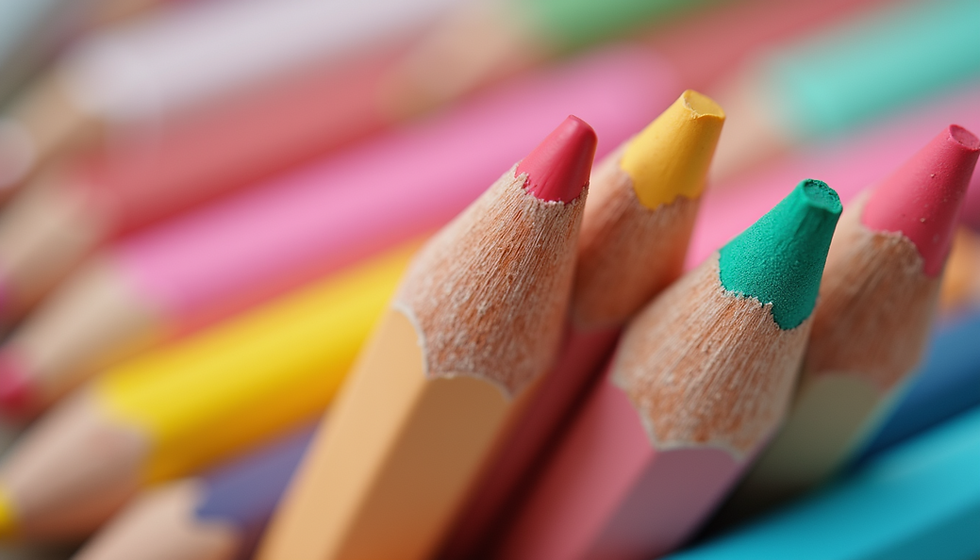
Soft Pastels: These are the most popular among artists for their vibrant colors and smooth application. They can be easily blended and layered. I like to use Stabillo carbathello and Conte a paris pastel pencils for my base layers.
Hard Pastels: These are firmer and produce finer lines, making them ideal for detailed work. I enjoy adding detail with Faber castell Pitt pastel pencils.
Oil Pastels: These contain oil and wax, giving them a different texture and finish compared to traditional pastels.
Understanding these differences will help you choose the right type of pastel for your artistic goals. Give them all a try.
Essential Tools for Pastel Art
To get started with pastel art, you’ll need a few essential tools:
Pastel Sticks, pencils or pan pastels: Choose a variety of soft and hard pastels. or stick with one type.
Paper: Look for textured paper specifically designed for pastels, as it holds the pigment better. I love to use Clairfontaine pastel mat - Dark grey. I have tried every paper lol.
Blending Tools: Tools like tortillons, blending stumps, or even your fingers can help create smooth transitions. I use cotton buds to blend.
Fixative: This is used to set your artwork and prevent smudging. Many Artists like myself chose to not use fixative. As it can dull the colour and mark the pastel mat. But the choice is yours. Its all about trial and error.
Having the right tools will make your pastel painting experience more enjoyable and productive.
Techniques to Master
1. Layering
Layering is a fundamental technique in pastel art. By applying multiple layers of color, you can create depth and richness in your artwork. Here’s how to do it:
Start with a base layer of color.
then add another layer on top.
Use lighter colors to highlight and darker colors for shadows.
End with adding all that detail. Some people prefer a more loose style with a slight amount of detail and others go for the hyper realistic style.
This technique can transform a flat image into a vibrant, three-dimensional piece.
2. Blending
Blending is crucial for achieving smooth transitions between colors. Here are some methods to blend your pastels effectively:
Finger Blending: Use your finger to gently smudge the colors together. This method allows for a soft, organic look.
Blending Stumps/ cotton buds: These tools help create more precise blends, especially in detailed areas.
Experiment with these blending techniques to find what works best for your style.
3. Scumbling
Scumbling involves applying a layer of color over another without fully covering it. This technique adds texture and complexity to your artwork. To scumble:
Use a lighter pastel over a darker base.
Apply the pastel lightly, allowing some of the underlying color to show through.
This technique is particularly effective for creating atmospheric effects in landscapes.
Color Theory in Pastel Art
Understanding color theory is vital for any artist, and pastel art is no exception. Here are some key concepts to consider:
Color Wheel: Familiarize yourself with the color wheel to understand primary, secondary, and tertiary colors.
Complementary Colors: These are colors opposite each other on the color wheel. Using them together can create striking contrasts.
Analogous Colors: These are colors next to each other on the wheel. They create harmony and are great for blending.
You will soon get the hang of colours and just look at the photo etc and think right I need so and so colour.
By applying these principles, you can create more dynamic and visually appealing artwork.
Tips for Beginners
If you’re just starting with pastels, here are some helpful tips to keep in mind:
Practice Regularly: The more you practice, the more comfortable you will become with the medium.
Experiment: Don’t be afraid to try different techniques and styles. Pastels are versatile, and experimentation can lead to unique results.
Keep Your Workspace Clean: Pastels can create a lot of dust. Regularly clean your workspace to avoid mixing colors unintentionally. Pastel pencils produce the least amount of dust.
These tips will help you build confidence and improve your skills over time.
Learning from Gemma Allcock
Gemma Allcock is a renowned pastel artist known for her vibrant landscapes and intricate details. Her approach to pastel art emphasizes the importance of observation and practice. Here are some insights from her journey:
Observation: I encourages artists to spend time observing their subjects. This practice helps in understanding light, shadow, and color.
Patience: Creating art takes time. I emphasizes the importance of being patient with the process and allowing your artwork to develop naturally. Part way through your artwork you will come across the 'Ugly stage' battle through this stage, believe in yourself and you will succeed.
Community: Engaging with other artists can provide inspiration and support. I learnt everything from Artists on You tube and Instagram. You can even make Art buddies who I have chatted with online from day one.
Showcasing Your Work
Once you’ve created your pastel masterpieces, it’s time to showcase them. Here are some ways to display your art:
Framing: Use glass or acrylic frames to protect your artwork from dust and damage.
Online Portfolios: Create a website or social media account or both to share your work with a broader audience.
Local Exhibitions/galleries: Participate in local art shows or galleries to gain exposure and connect with other artists.
Selling/commissions: Website stall, Etsy, advertise via social media, put up flyers, hand out business cards, word of mouth. Start a You tube channel. Trial and error yet again.
Sharing your work not only boosts your confidence but also opens up opportunities for feedback and growth.
Conclusion
Exploring pastel art techniques can be a rewarding journey filled with creativity and self-expression. By understanding the medium, mastering various techniques, and learning from other artists , you can develop your skills and create stunning artwork. Remember to practice regularly, experiment with different styles, and share your creations with the world. The beauty of pastel art lies in its ability to convey emotion and depth, so let your creativity flow and enjoy the process.
Now, grab your pastels and start creating!

Comments